Photo by Fredrik Stid
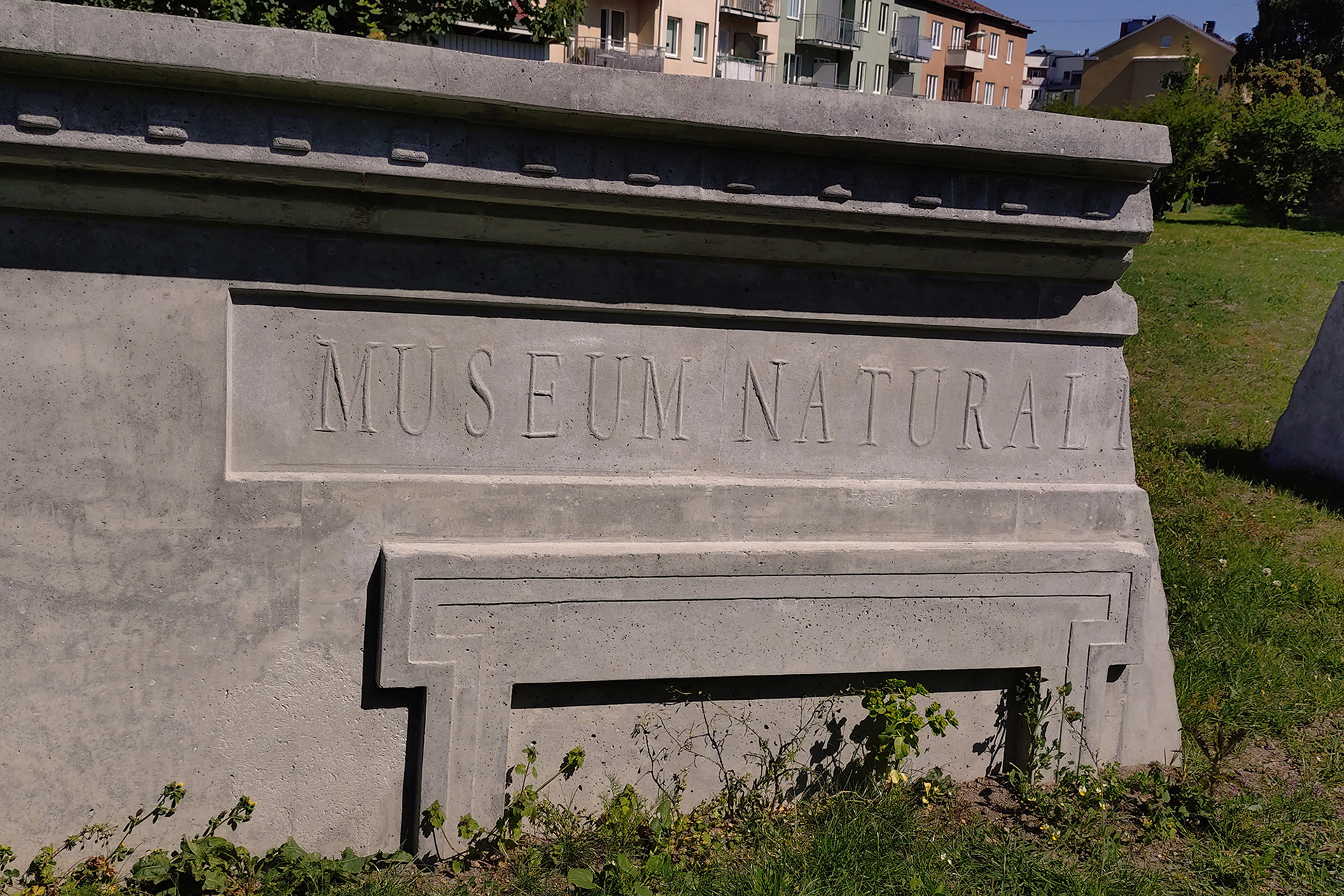
Photo by Fredrik Stid
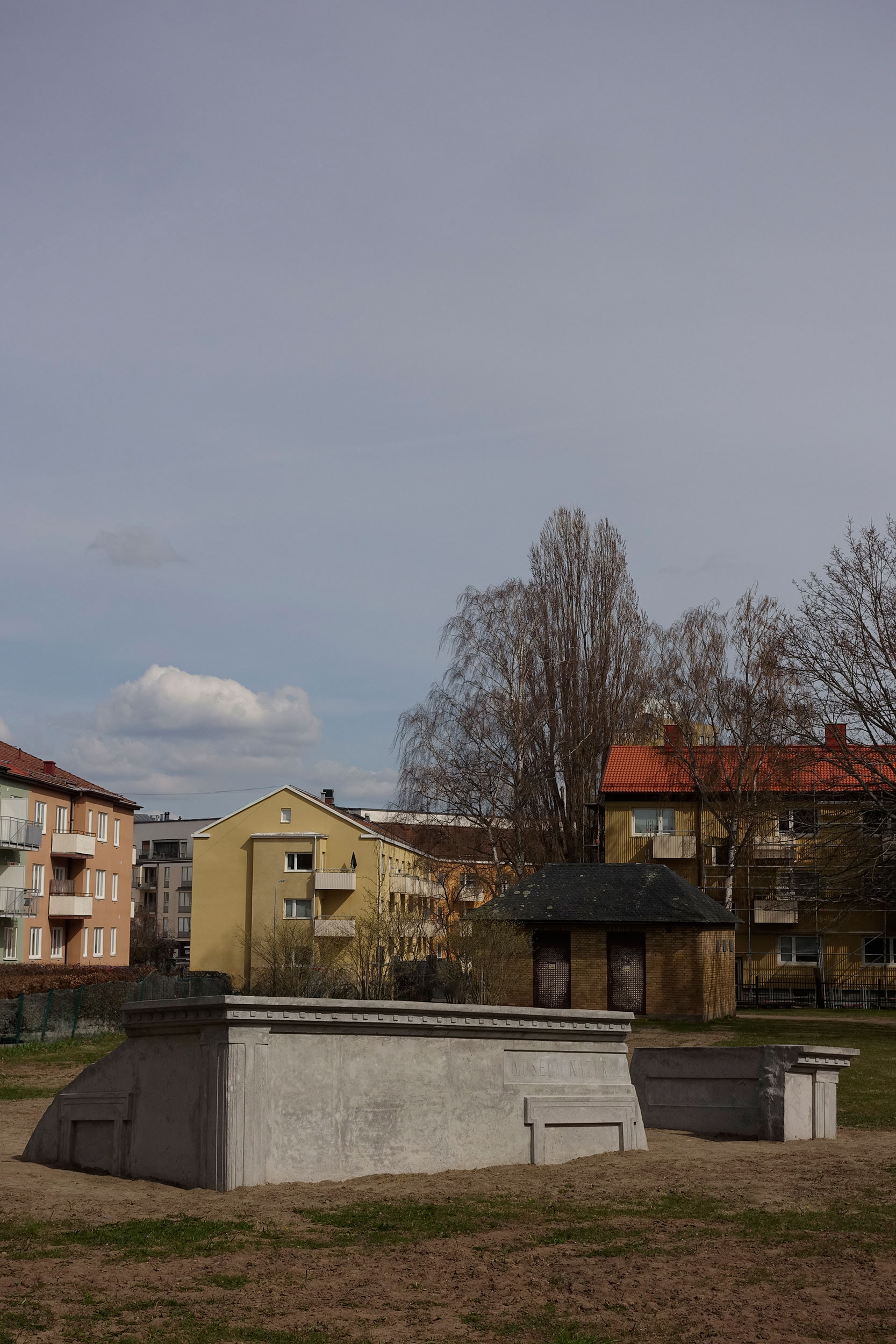
Photo by Fredrik Stid
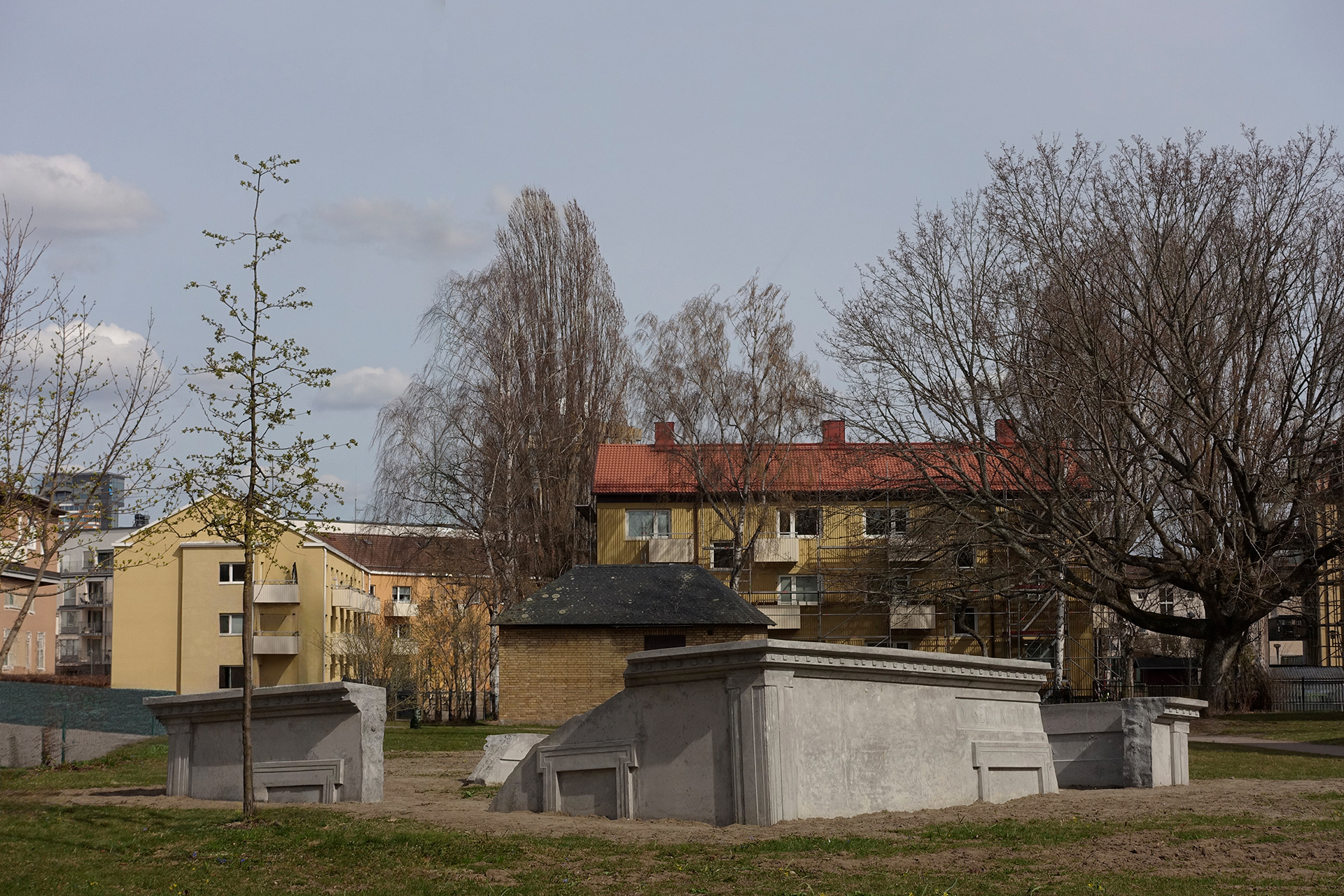
Photo by Fredrik Stid
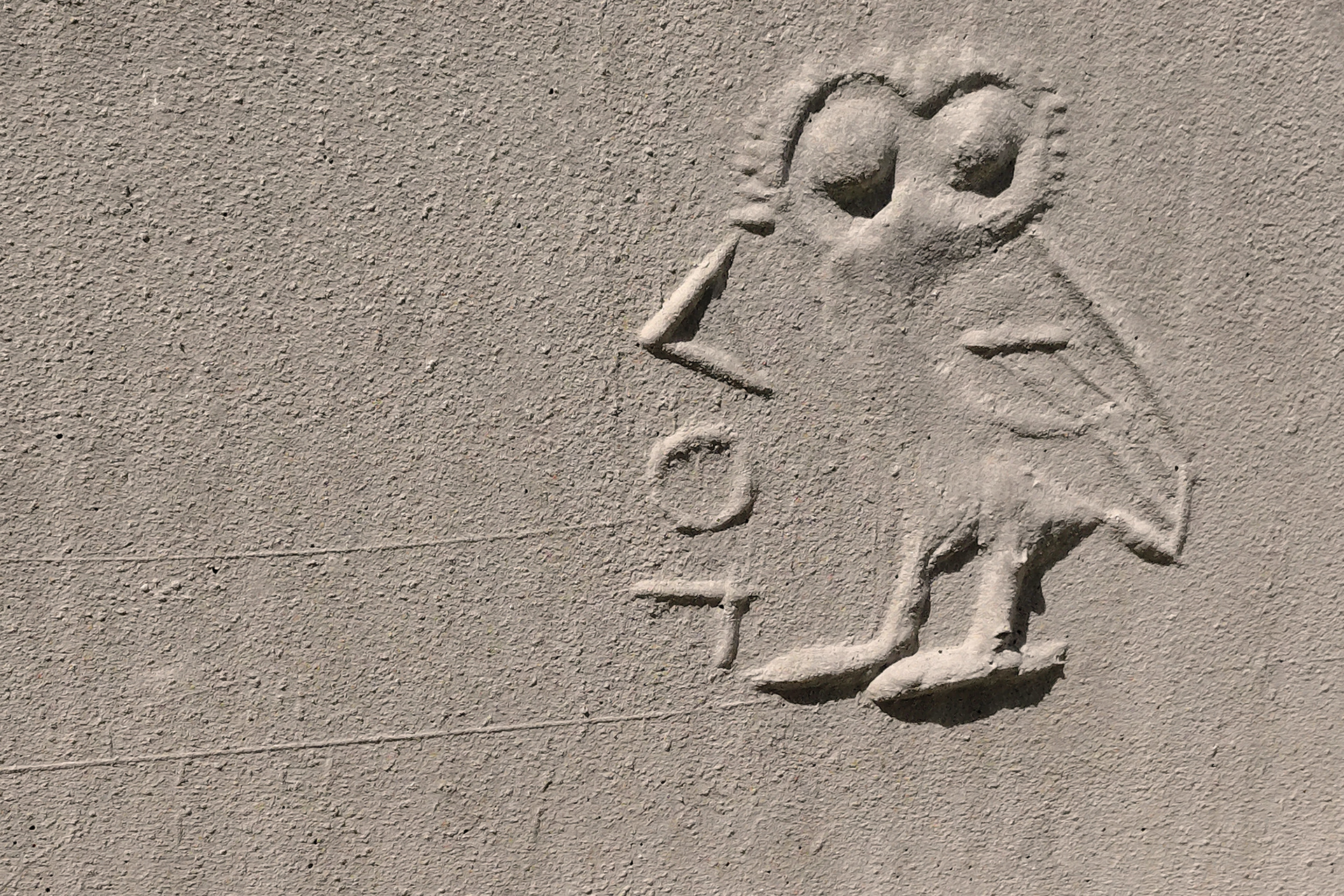
Photo by Fredrik Stid
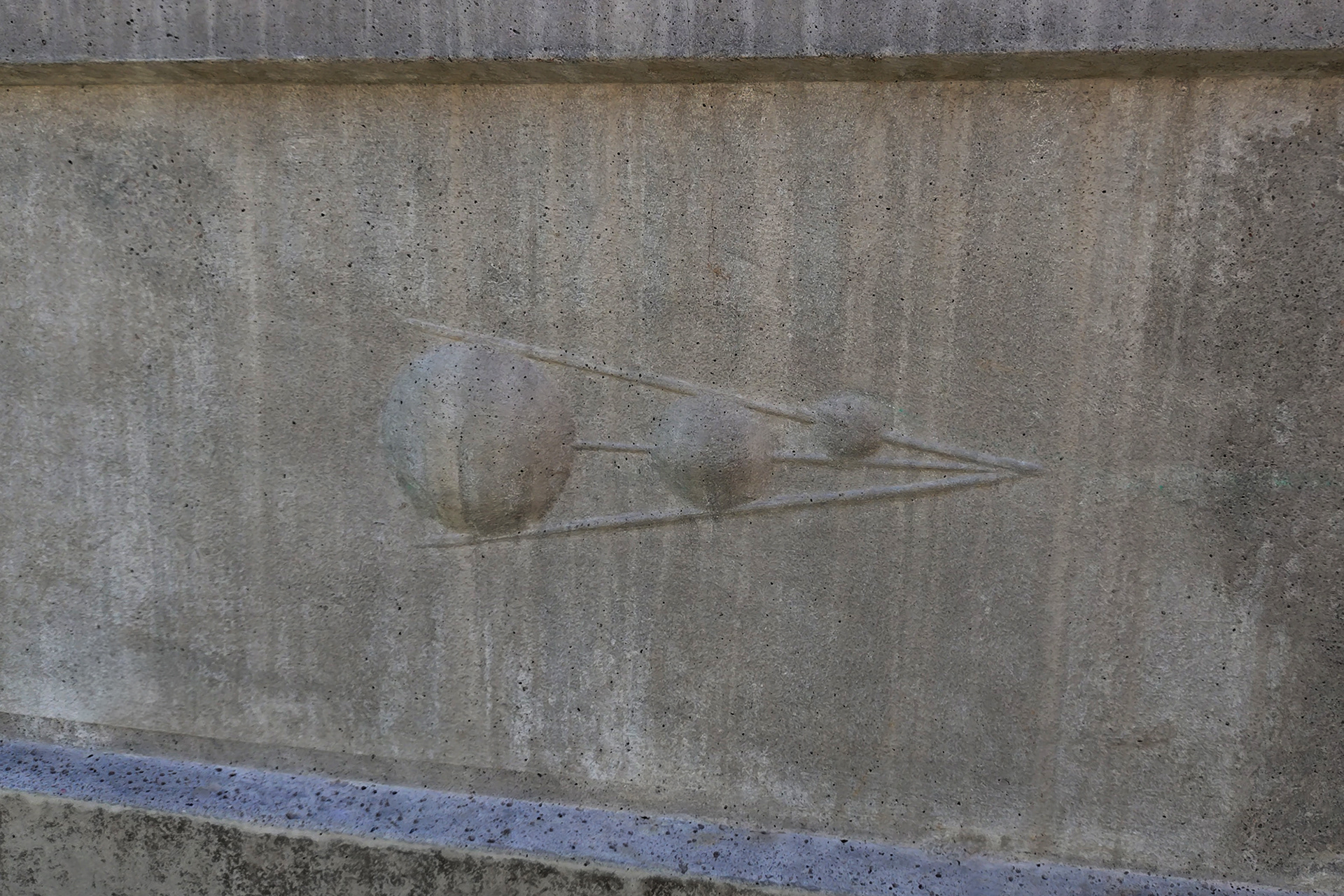
Photo by Fredrik Stid
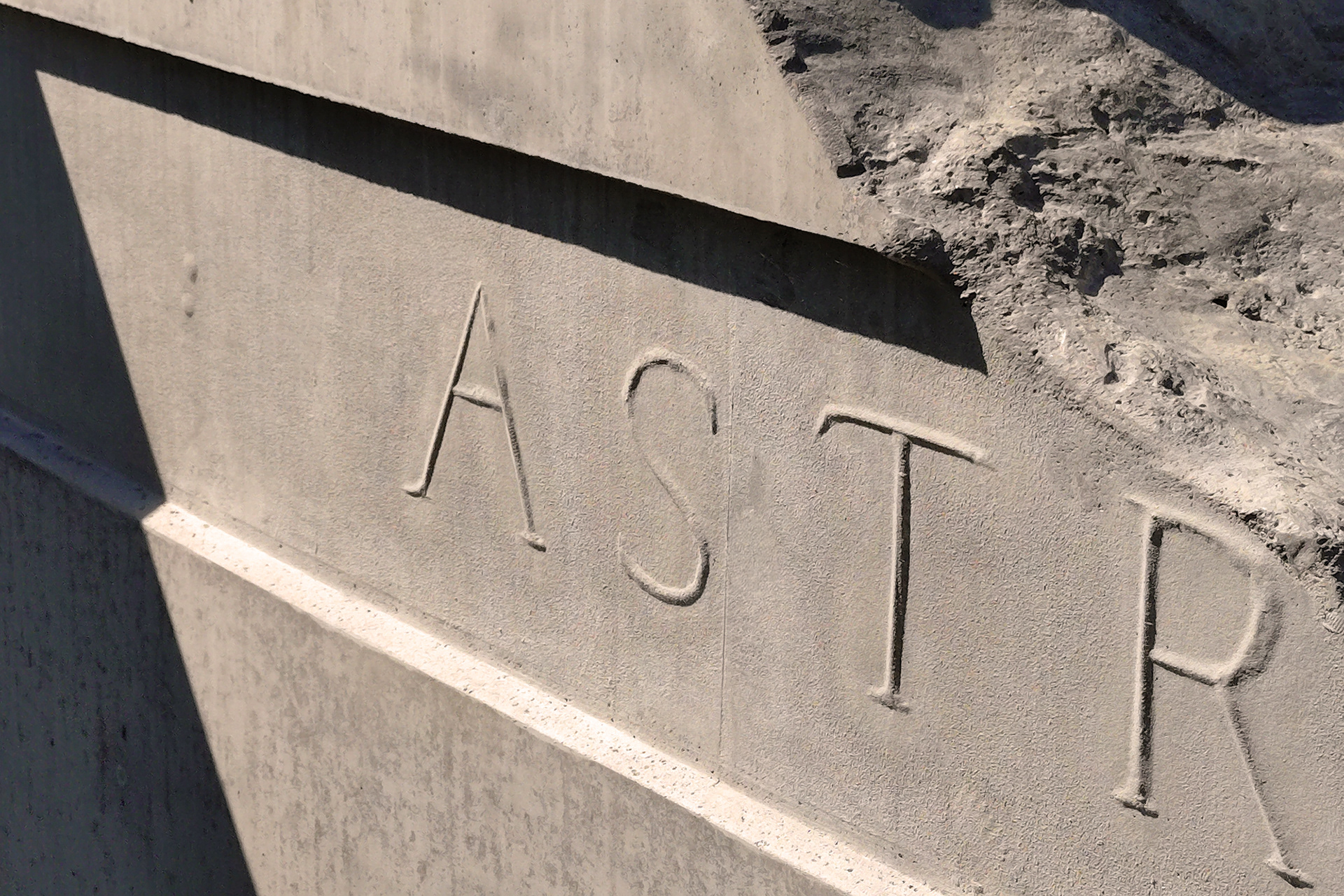
Photo by Fredrik Stid
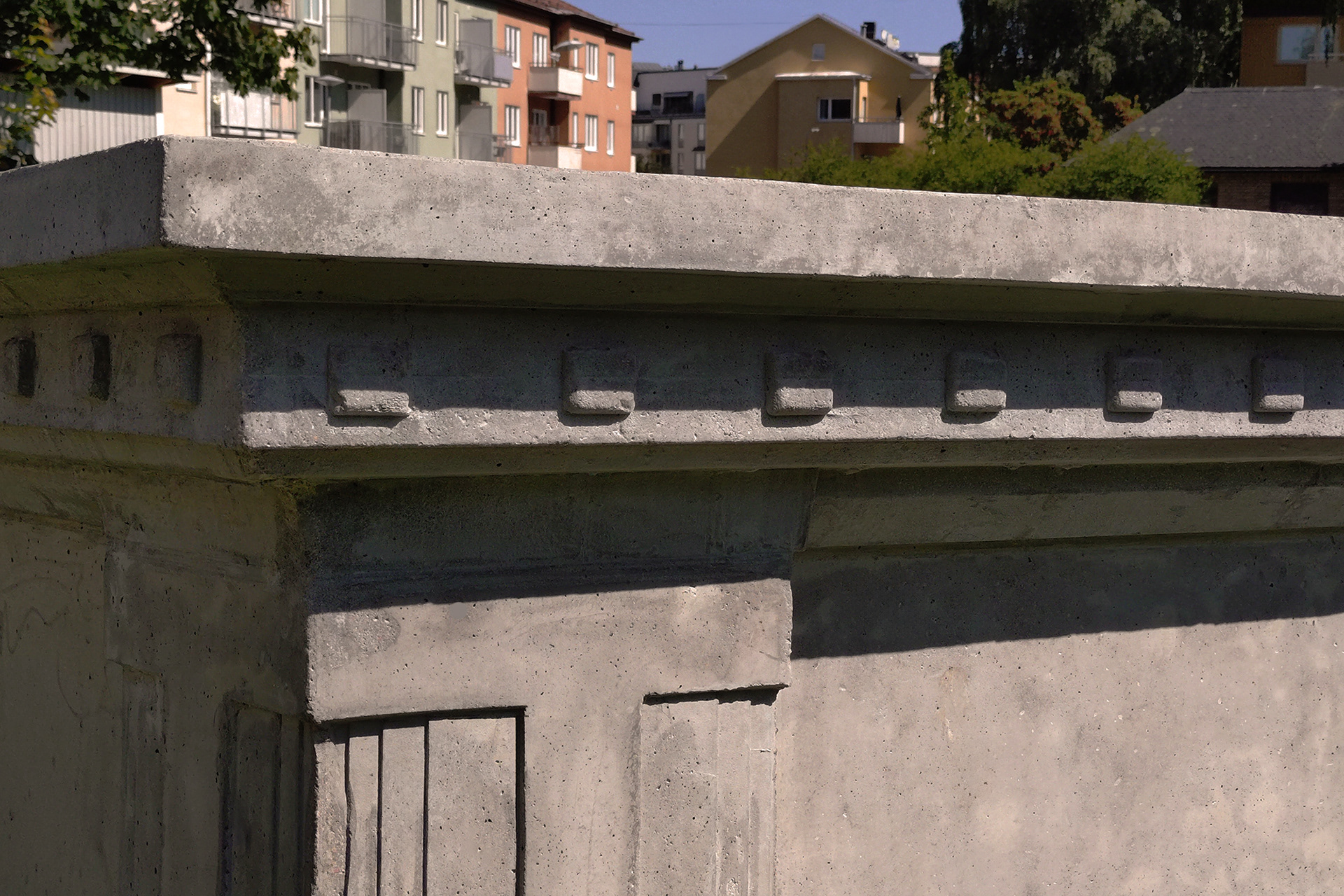
Photo by Fredrik Stid
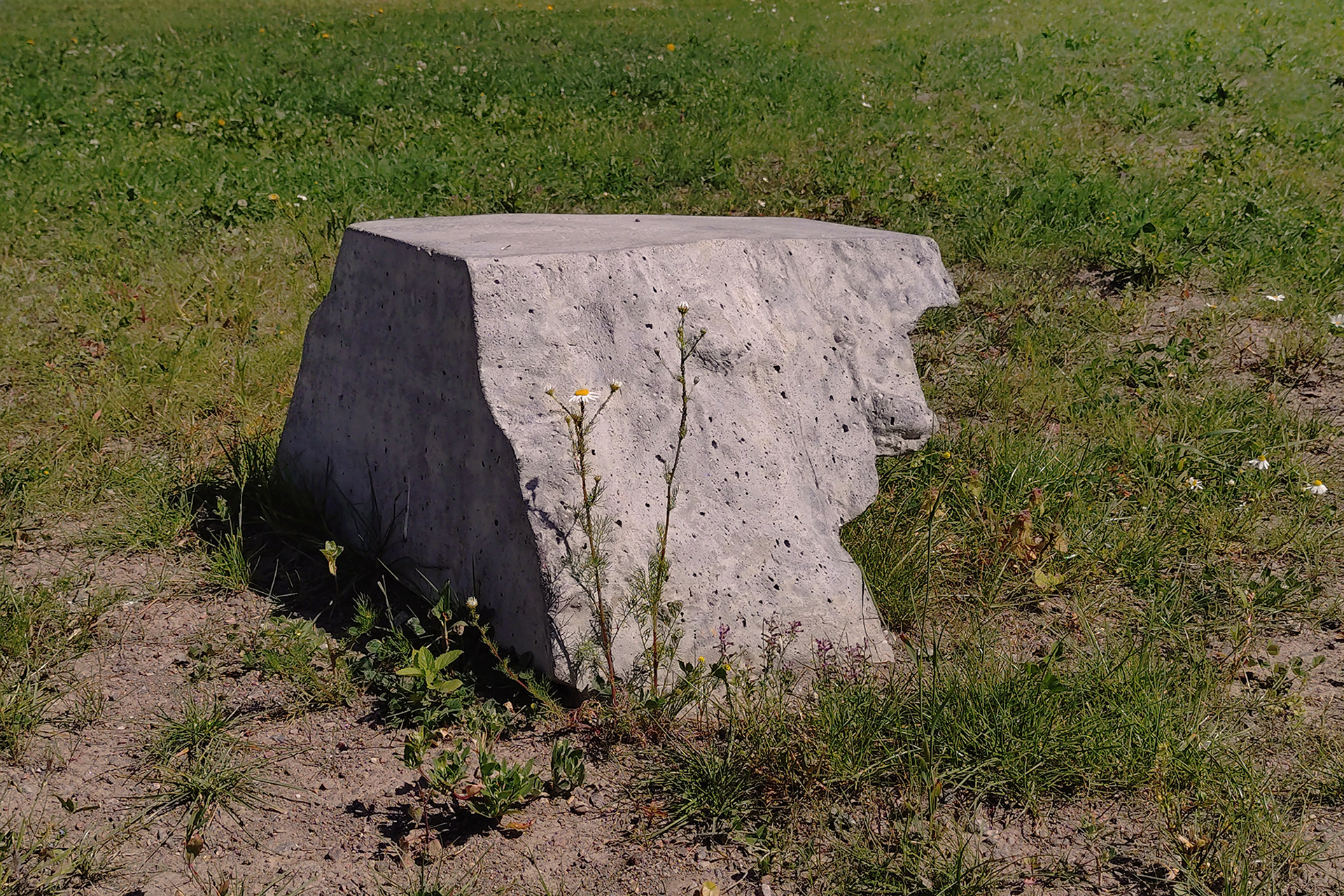
Photo by Fredrik Stid
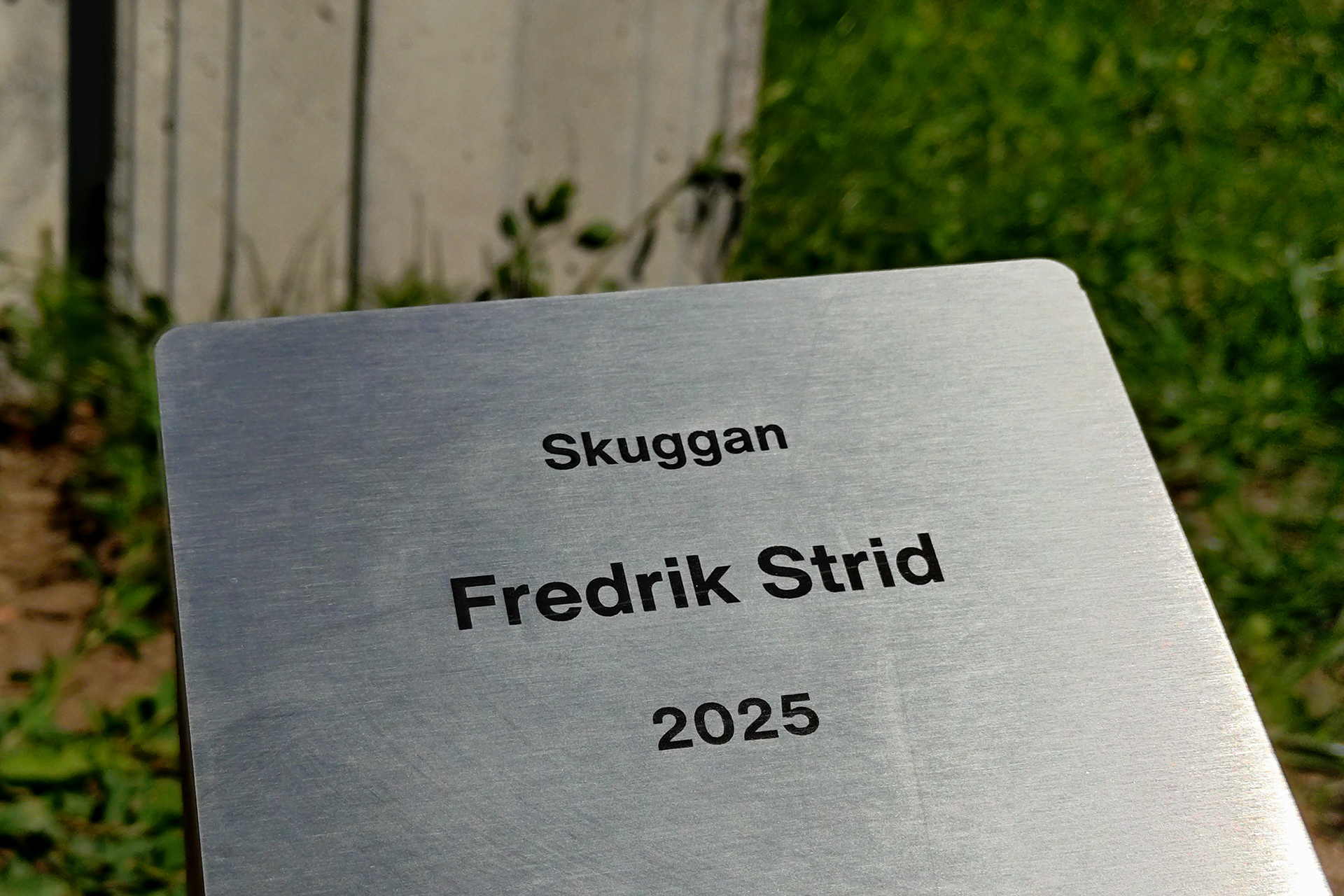
Photo by Fredrik Stid
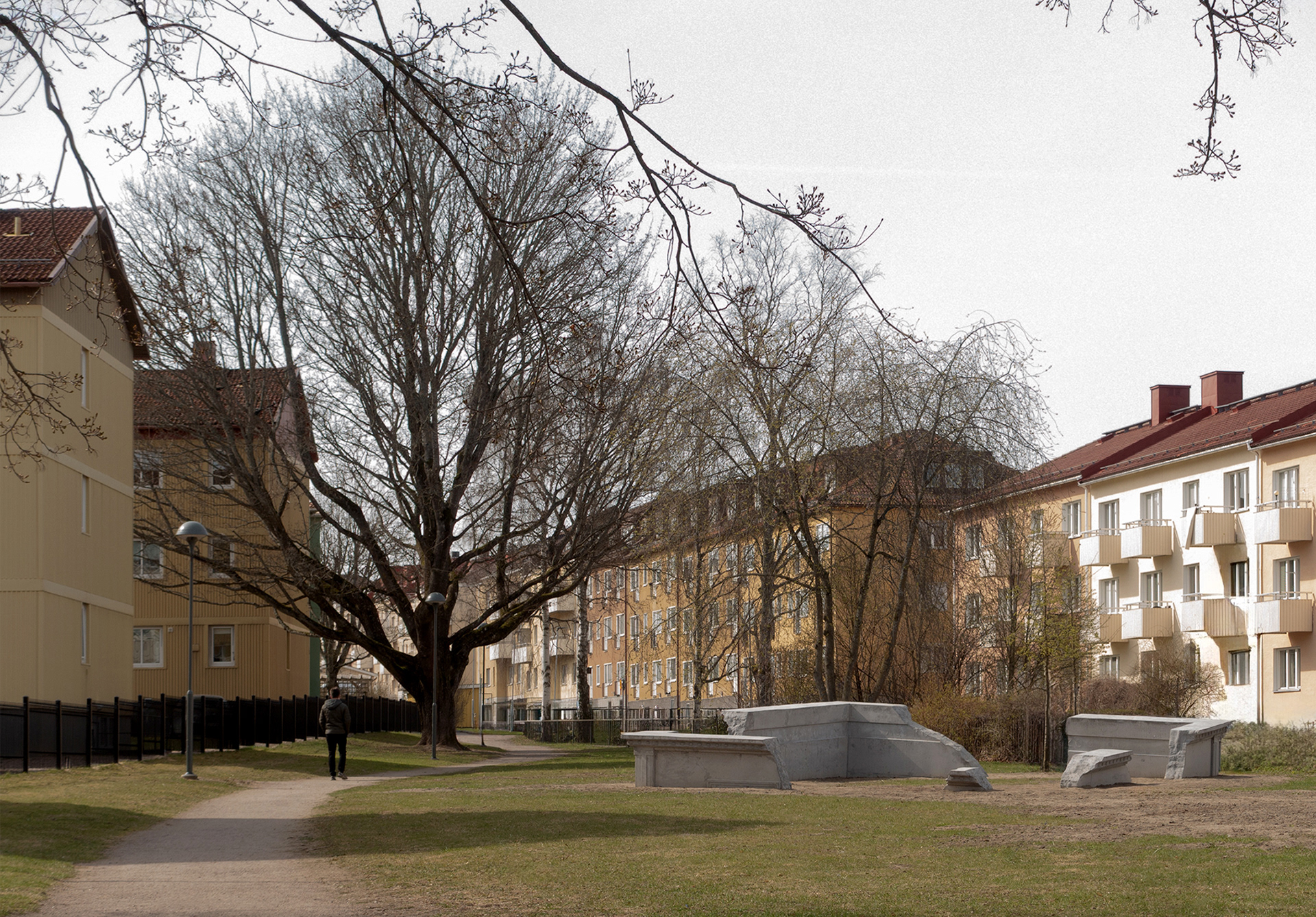
A 7 × 7 metre ruin of a small natural history museum appears to sink through the grassy surface of Lönngången park in Linköping. The sculpture incorporates architectural elements inspired by classical antiquity, while its softened, eroded edges suggest a building slowly being reclaimed by time.
Inside, inscriptions refer to different systems of classification within the natural sciences, including mammals, molluscs and vascular plants, alongside astronomical instruments and geometric forms. They suggest the different departments of a museum and evoke the natural-history collections and cabinets of curiosities of earlier centuries.
But THE SHADOW is not a historical museum, but rather a reflection of one. Cast in grey concrete, the work becomes a monochromatic, sculptural shadow of a museum, bringing a contemporary building material into dialogue with an older architectural ideal. The concrete also connects the work to the modernist architecture and urban development that characterise the surrounding area.
The sculpture invites encounters with both the physical and intellectual dimensions of the museum: how we classify the world, seek to understand it, and position ourselves within it. At the same time, its low, open structure becomes part of everyday life in the park—a place to sit, meet, pause or simply encounter.
The work was commissioned as a permanent public artwork for Lönngången park in Linköping in 2025.
.